
Embroidered Patch Digitizing
Embroidered patch digitizing from $1. Iron-on, sew-on, military spec, and chenille patches. Correct density, border planning, and merrowed-edge support.
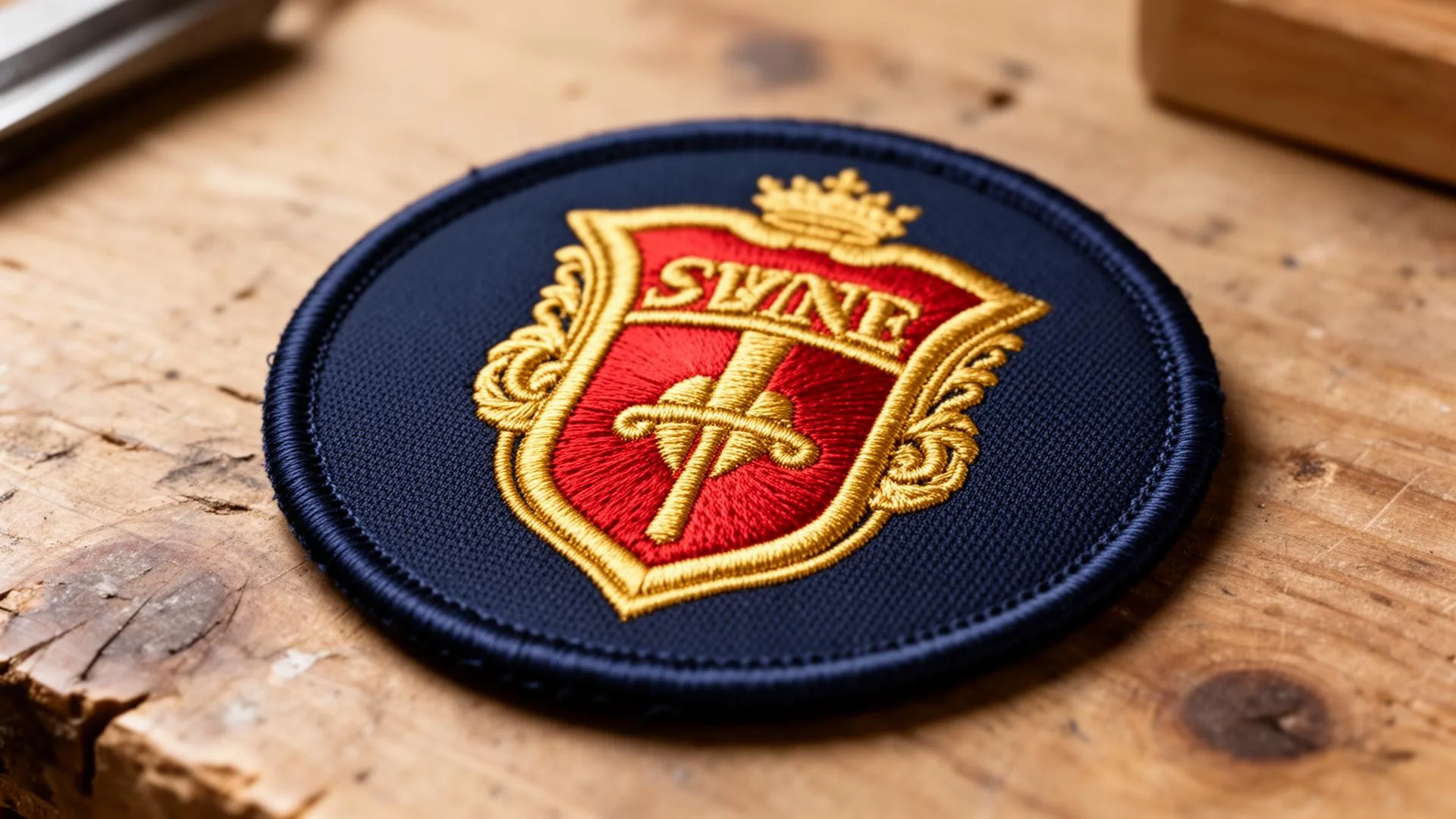
Embroidered Patch Digitizing — Built for the Patch, Not the Garment
Embroidered patch digitizing from $1. Iron-on, sew-on, military spec, and chenille patches. Correct density, border planning, and merrowed-edge support.
Patches are digitized differently from garment embroidery, and most shops find this out the hard way. On a garment, the hoop holds the fabric under tension and the backing stabilizes it. On a patch, you're stitching onto felt, twill, or organza — and the whole thing has to hold together as a standalone object. The rules around density, sequencing, and border handling are different.
Stitch density can go higher on patches because there's no garment compression pulling against the design. But the sequencing has to be right: background fill first, then the design elements on top, then the border last — always the border last. The border path also has to be planned for the finish, whether that's a merrowed edge, a folded edge, or die-cut. A file that ignores the border finish will have exposed raw fabric at the edge or thread that catches during finishing.
We've built iron-on patches, sew-on patches, military specification patches, chenille patches, and embroidered badges. Each type has its own requirements. Tell us the backing material, the edge finish, and how the patch will be attached, and we'll build the file to match — not a generic patch file that needs to be reworked.
Patch types we digitize:
- Iron-on embroidered patches — heat seal backing, correct density for adhesion
- Sew-on patches for uniforms and workwear
- Military specification patches — precise border handling and color accuracy
- Chenille patches — outline digitizing for the chenille fill application
- Embroidered badges and insignia in any shape
- Merrowed-edge patches with border path planning included
How patch digitizing differs from garment work:
- Higher stitch density — no garment compression fighting the fill
- Sequencing order matters: background, elements, border — always in that order
- Border path planned for merrowed, folded, or die-cut edge finish
- Backing material changes underlay type and pull compensation settings
- No jump stitches visible on the back — patch underside is often exposed
Patch backing materials we build files for:
- Felt — standard backing for most decorative and fashion patches
- Twill — more durable, the go-to for uniform and workwear patches
- Organza — semi-transparent backing used for overlay and lace-style patches
- Heat-seal and iron-on backing — specify at time of order
- Velcro attachment patches — no change to digitizing, handled at finishing
Explore Our Other Digitizing Services
All hand-digitized, production-ready, and starting at $1 per 1,000 stitches. See the embroidery digitizing pricing or get a free quote.
Book a Meeting to Discuss Your Project
Schedule a quick call with our team. We'll review your artwork, confirm the turnaround, and walk you through pricing — no commitment required.